
Why Tenerife Is Called That (and 4 More Facts About the Island)
Tenerife is the largest and most populated of the Canary Islands, but its name hides more than one surprise. Here are five things we often tell our guests, and that almost always leave them amazed.
The name comes from a Guanche word
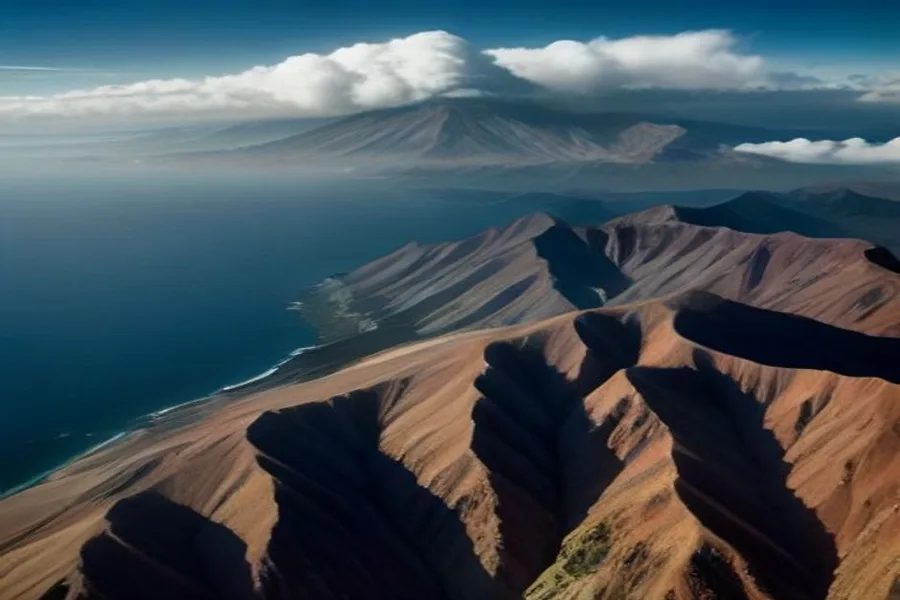
"Tenerife" likely comes from "tene ife", an expression in the language of the Guanches, the island's first inhabitants before the Spanish arrived, meaning "white mountain": a reference to snow-capped Teide, visible from far away.
Teide isn't just Spain's tallest volcano
At 3,715 metres it's the highest point in Spain, but measured from the ocean floor it rises from, it's the third tallest volcano in the world. At sunset it casts a triangular shadow reaching all the way to La Gomera.
The island has two opposite faces
Green and rainy in the north, dry and sunny almost all year in the south: it only takes a few kilometres to go from one landscape to the other, a contrast that surprises anyone expecting a single "Tenerife".
It's never really winter
The south of the island enjoys mild weather year-round, often called "eternal spring": it's one of the reasons tourism in the south grew so much from the 1980s onward.
The whales live here, they're not just passing through
The channel between Tenerife and La Gomera is home to a year-round resident population of pilot whales and dolphins: we cover this in more depth in another article, but it's one of the facts we tell with the most pride.
Want to discover the island for yourself? Message us on WhatsApp.
Message us on WhatsApp